











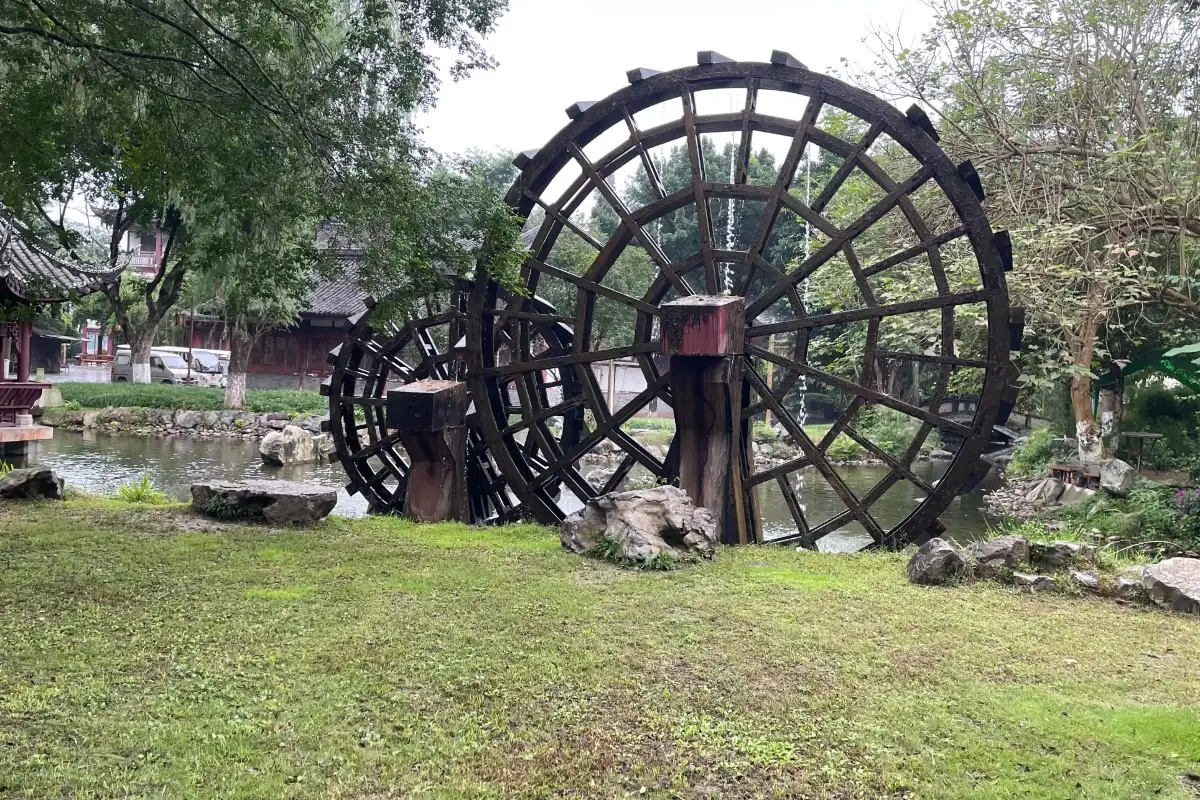
Most visitors arrive in Leshan with a single plan: stand in front of the Giant Buddha and take the photo. What they rarely expect is that this relaxed river city has a second, equally serious obsession — food. Locals joke that people come for the Buddha and stay for the meals, and after one evening of skewers, duck and beef soup you will understand exactly what they mean.
🧾 Quick Facts
- 🍢 Signature dishes: bobo chicken, sweet-skinned duck, qiaojiao beef, tofu pudding, ye’er ba
- 📍 Best food zone: Zhanggongqiao Food Street, roughly 2.5–3 km from the scenic area
- 🕕 Food streets come alive from around 18:00
- 🕗 Giant Buddha hours: 08:00–19:00 (admission ends 17:30)
🌶 Why Leshan Is Sichuan’s Slow-Food Capital
Sichuan food is world-famous, yet even within the province Leshan holds a special reputation. The city sits in a fertile basin where the Min, Dadu and Qingyi rivers meet, and its cooking reflects centuries of river trade and temple life. Instead of Chengdu’s fiery, mouth-numbing heat, Leshan leans towards slow simmering, gentle sweetness and snacks meant to be eaten on the move.
The culture is built around small dishes and street stalls rather than grand restaurants. Vendors specialise in one thing for decades — a pot of beef broth, a tub of chili oil — and refine it year after year. Ask locals what the city is proudest of and you will hear the same punchline: tourists come for the Buddha, locals live for the food.
🍢 The Six Dishes Every Visitor Should Try
These are the dishes locals will tell you not to leave without trying. None is complicated — that is exactly the point: simple food done obsessively well.
🥢 Bobo Chicken (钵钵鸡)
Bobo chicken is Leshan’s most photogenic snack: small skewers of chicken, vegetables and offal standing upright in a ceramic pot of red chili oil or fragrant broth. Grab what you like, count the sticks and pay by the skewer. It is served cold and aromatic rather than brutal — perfect standing-up food while you plan your evening.
🦆 Sweet-Skinned Duck (甜皮鸭)
Sweet-skinned duck is the dish Leshan families carry home in boxes before holidays. The duck is braised, then glazed until the skin turns glossy, thin and caramel-sweet, with the meat underneath still savoury. Eaten at room temperature it is less a roast than a confection — and it converts travellers who claim they dislike sweet dishes.
🍲 Qiaojiao Beef (跷脚牛肉)
Qiaojiao beef, literally “cross-legged beef”, is a steaming bowl of clear beef soup you eat on a low stool, legs tucked under the bench. The broth simmers for hours with herbs and spices yet tastes surprisingly clean for something so rich. Locals eat it for breakfast, lunch or as a late-night cure.
🥣 Leshan Tofu Pudding (豆腐脑)
Forget the sweet tofu desserts you may have tried elsewhere in China — Leshan’s douhua is savoury and loaded with texture. Silky tofu pudding arrives drowned in a thick, tangy sauce with crispy soy beans, pickled vegetables, chili oil and sometimes a scatter of minced beef. It is the classic mid-morning snack, gone in minutes.
🍙 Ye’er Ba (叶儿粑)
Ye’er ba are soft sticky-rice buns wrapped in leaves and steamed, which gives them a gentle grassy fragrance. Savoury versions hold minced pork and preserved vegetables, while sweet ones hide brown sugar and sesame. They cost little, travel well and make the ideal snack to pocket before heading back towards the scenic area.
🍯 Honey-Glazed Roast Duck
Do not skip the freshly roasted branch of the duck family. One Thai traveller reviewing the city singled out the “Leshan honey-glazed roast duck — thin crispy sweet skin” bought near Leshan railway station, and it is a description locals would happily sign. Straight from the oven the skin shatters like sugar glass — a memorable last taste before you board your train.
📍 Where to Eat: From the Scenic Area Gates to the Food Streets
Leshan is compact, and its eating zones are easy to organise around your Buddha visit.
🏮 Zhanggongqiao Food Street: The Classic Strip
Zhanggongqiao Food Street, named after the old Zhanggong Bridge, is the city’s best-known eating strip, roughly 2.5–3 km from the scenic area. As the sun goes down the whole street becomes one long open-air dining room, bobo chicken tubs glowing red and skewer smoke drifting between tables. If you only have one food evening in Leshan, spend it here.
🚪 Stalls Near the Scenic Area Gates
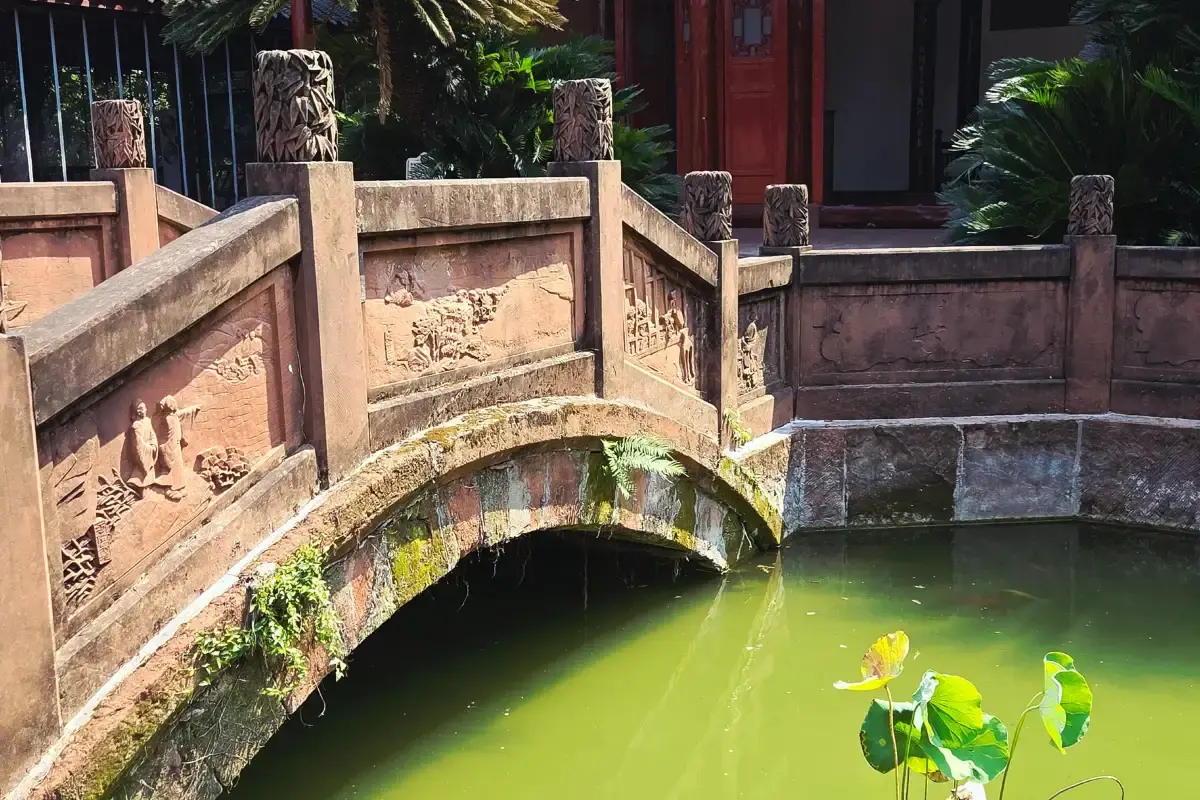
Around the scenic area entrance and the Jiadingfang old-town quarter you will find convenient clusters of stalls and small restaurants catering to visitors. Fine for a first taste: a quick bowl of tofu pudding or a box of sweet-skinned duck between the train and the ticket gate. Quality varies more than downtown and prices run a little higher — treat this zone as snacking, not a destination meal.
🏙 An Honest Tip: The Best Meals Are in the City
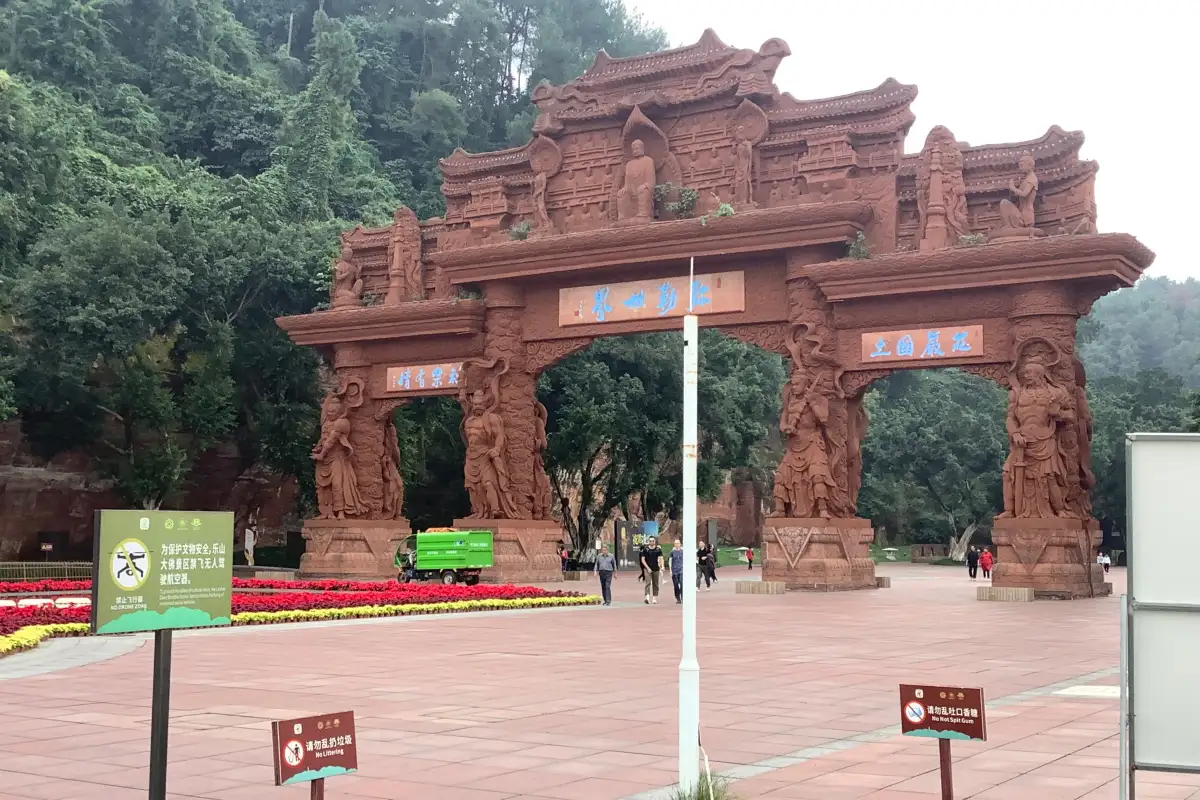
Locals are blunt: the truly memorable meals are downtown, not at the mountain gates. Scenic-area stalls exist for convenience; the food streets are where Leshan families actually eat. Finish at the Buddha by late afternoon, then give the evening to Zhanggongqiao — the sequence locals would recommend themselves.
🕕 When to Eat: Building Your Food Evening
Leshan’s food scene runs on an evening rhythm. Stalls set up in the late afternoon, the food street lights come on around 18:00, and the crowd keeps eating past 21:00. See the Buddha in daylight — admission ends at 17:30 — then cross into the city as the lamps come on.
To stretch the night further, pair dinner with the night river cruise, when the statue and riverside are lit after dark. A food-first plan fits neatly into our one-day Leshan itinerary, and a hotel near the food streets makes the evening effortless — see our guide to where to stay near the Giant Buddha.
🌡 Spice Survival Tips
Leshan food is gentler than much of Sichuan, but chili oil is still everywhere. If you are spice-sensitive, a few habits will save your evening:
- Ask for “wei la” (微辣) — mild spice — and vendors will hold back the hottest oil.
- Balance fiery skewers with plain rice, soy milk or a sweet ye’er ba.
- Yogurt drinks and herbal teas sold along the streets are the classic emergency extinguishers.
Reassurance, though: the city’s most famous dishes — sweet-skinned duck, honey-glazed roast duck and ye’er ba — are barely spicy at all. You can eat brilliantly here without setting your mouth on fire.
🥬 Vegetarian Notes
Strict vegetarians need to plan carefully, because much of Leshan’s street food is built around chicken, beef and duck. Still, options exist: plain tofu pudding can often be ordered without meat toppings, vegetable skewers are common in bobo pots, and sweet ye’er ba are usually meat-free. Given the city’s deep Buddhist roots, kitchens are used to visitors with dietary needs — explain clearly and ask before ordering, and note that larger restaurants with picture menus are easier to navigate than single-dish stalls.
❓ FAQs
Is all Leshan food mouth-numbingly spicy?
No. Compared with Chengdu or Chongqing, Leshan’s flavours lean milder and sweeter, and signature dishes like sweet-skinned duck and ye’er ba contain little or no chili. Ask for mild spice and you will be fine.
Can I try these dishes on a day trip from Chengdu?
Yes. High-speed trains from Chengdu reach Leshan in roughly 45–70 minutes, which leaves time for a late lunch or early dinner after the Buddha — see our guide to getting from Chengdu to Leshan. Stay until the street lights come on if you can.
How much does a food evening in Leshan cost?
Street food is refreshingly affordable by international standards — skewers are priced individually and snacks cost pocket change, though prices vary by stall and season. Bring small notes and eat where the locals queue.
What should I eat straight after climbing down from the Buddha?
Something warm and restorative: a bowl of qiaojiao beef soup is the local answer to tired legs. It is savoury, gentle on the stomach and exactly what you want after the cliff stairs.
Is Zhanggongqiao Food Street open all year?
Yes — year-round, and liveliest on summer evenings and during Chinese holidays. It is busiest from about 18:00; on quiet winter weekdays it runs with a more local crowd.
The whole guide on one plate — your ordering cheat sheet:
| Dish | What it is | Spice level | Must-try? |
|---|---|---|---|
| Bobo chicken (钵钵鸡) | Cold skewers standing in chili oil or broth | Mild–medium | Yes — the icon |
| Sweet-skinned duck (甜皮鸭) | Braised duck with a glossy caramel-sweet skin | Not spicy | Yes |
| Qiaojiao beef (跷脚牛肉) | Clear herb beef soup eaten on a low stool | Mild, chili dip optional | Yes, especially after the stairs |
| Tofu pudding (豆腐脑) | Savoury silky tofu with crispy toppings | Mild–medium | Yes, for a snack |
| Ye’er ba (叶儿粑) | Leaf-wrapped sticky rice buns, sweet or savoury | Not spicy | Yes — easy to carry |
| Honey-glazed roast duck | Fresh-roasted duck with thin, crispy sweet skin | Not spicy | Yes, before you leave town |
Leshan rewards travellers who slow down. The Buddha took about ninety years to carve, and the food culture around it has been simmering even longer — give it an evening, not just a lunch stop. Book your tickets in advance, keep the night free, and let the city feed you the way it feeds its own.
Ready to See the Giant Buddha?
Tickets start from $11.84 and the scenic area is open 08:00–19:00 (admission ends 17:30).
🎟 Book Tickets on Trip.com 🎫 Check Klook Prices
Affiliate disclosure: as a Trip.com affiliate we may earn a commission when you book through these links — at no extra cost to you.